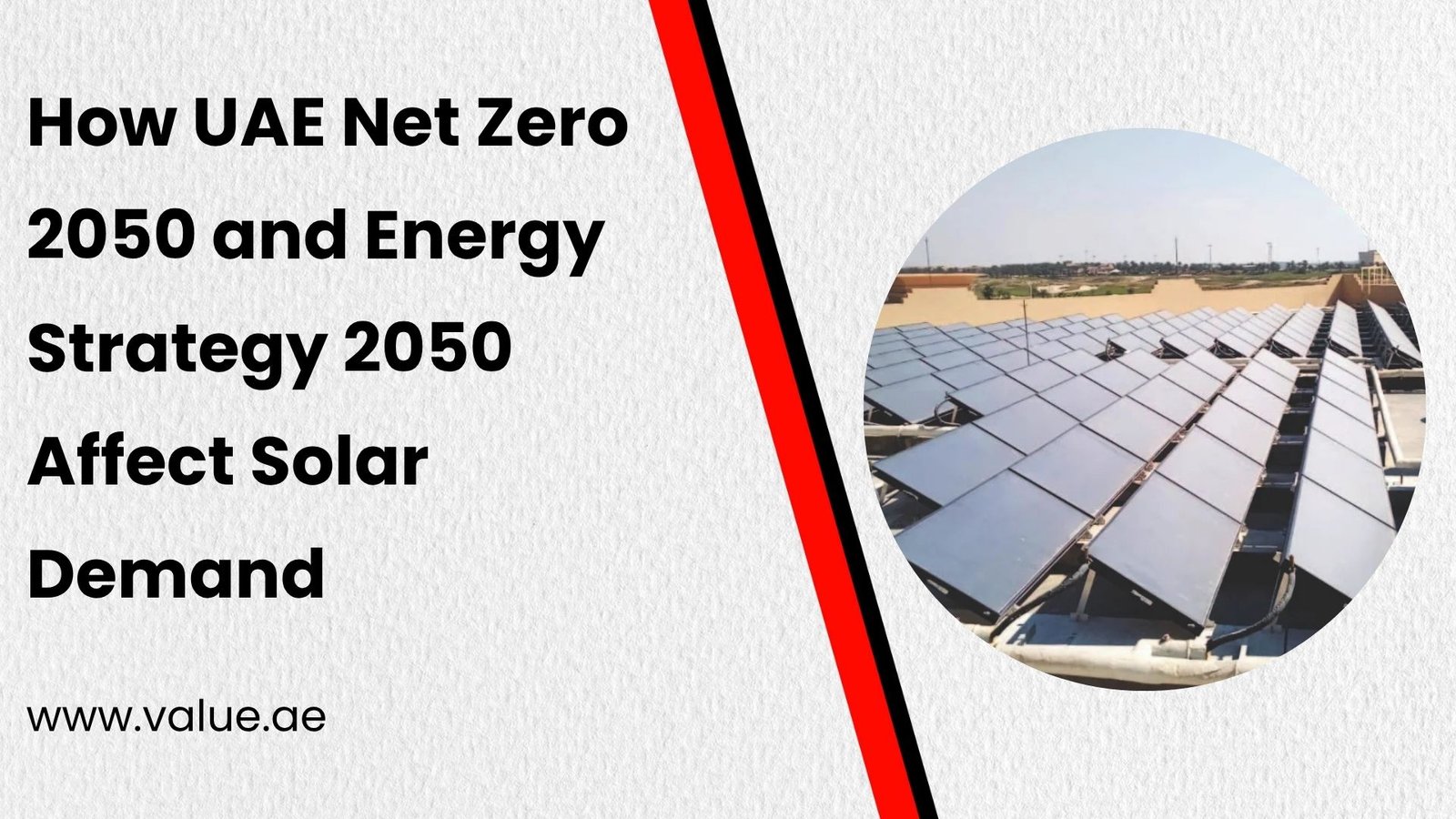
How UAE Net Zero 2050 and Energy Strategy 2050 Affect Solar Demand
The United Arab Emirates has set some of the region's most ambitious clean-energy targets. Two landmark frameworks—UAE Net Zero 2050 and the UAE Energy Strategy 2050—are reshaping how the country generates, consumes, and plans electricity. Together, they are driving a clear and sustained rise in demand for solar power, creating new opportunities for developers, investors, and every solar PV supplier in UAE that can deliver reliable, high-performance systems.
Understanding the Two Strategies
UAE Net Zero 2050 commits the nation to achieving net-zero greenhouse gas emissions by the middle of the century. The plan covers power generation, transport, industry, and buildings. Because the power sector accounts for a large share of current emissions, the pathway relies heavily on expanding renewable capacity, particularly solar, while gradually reducing reliance on gas-fired generation.
The UAE Energy Strategy 2050 complements this goal. It aims to increase the share of clean energy in the total energy mix to 50 percent by 2050, improve energy efficiency by 40 percent, and cut carbon emissions from power generation significantly. Solar photovoltaic technology sits at the centre of both strategies because of the UAE’s exceptional solar resource—high irradiance levels year-round and vast areas of open desert suitable for large-scale plants.
These policies are not abstract statements. They translate into concrete regulatory support, long-term offtake agreements, and public-private partnerships that make solar projects bankable. As a result, utility-scale solar parks, distributed rooftop systems, and hybrid renewable installations are all seeing accelerated deployment.
How the Targets Translate into Solar Demand
Meeting the clean-energy share and net-zero goals requires a multi-fold increase in installed solar capacity. Analysts tracking the UAE’s power sector project that solar will form the largest single renewable contribution. This growth appears in three main segments:
-
Utility-scale projects
Mega-scale solar parks continue to expand. Competitive auctions and long-term power-purchase agreements have already driven some of the world’s lowest solar tariffs. Additional capacity is still required to replace retiring thermal plants and meet rising electricity demand from population growth, industrial expansion, and data centres.
- Distributed and commercial rooftop solar
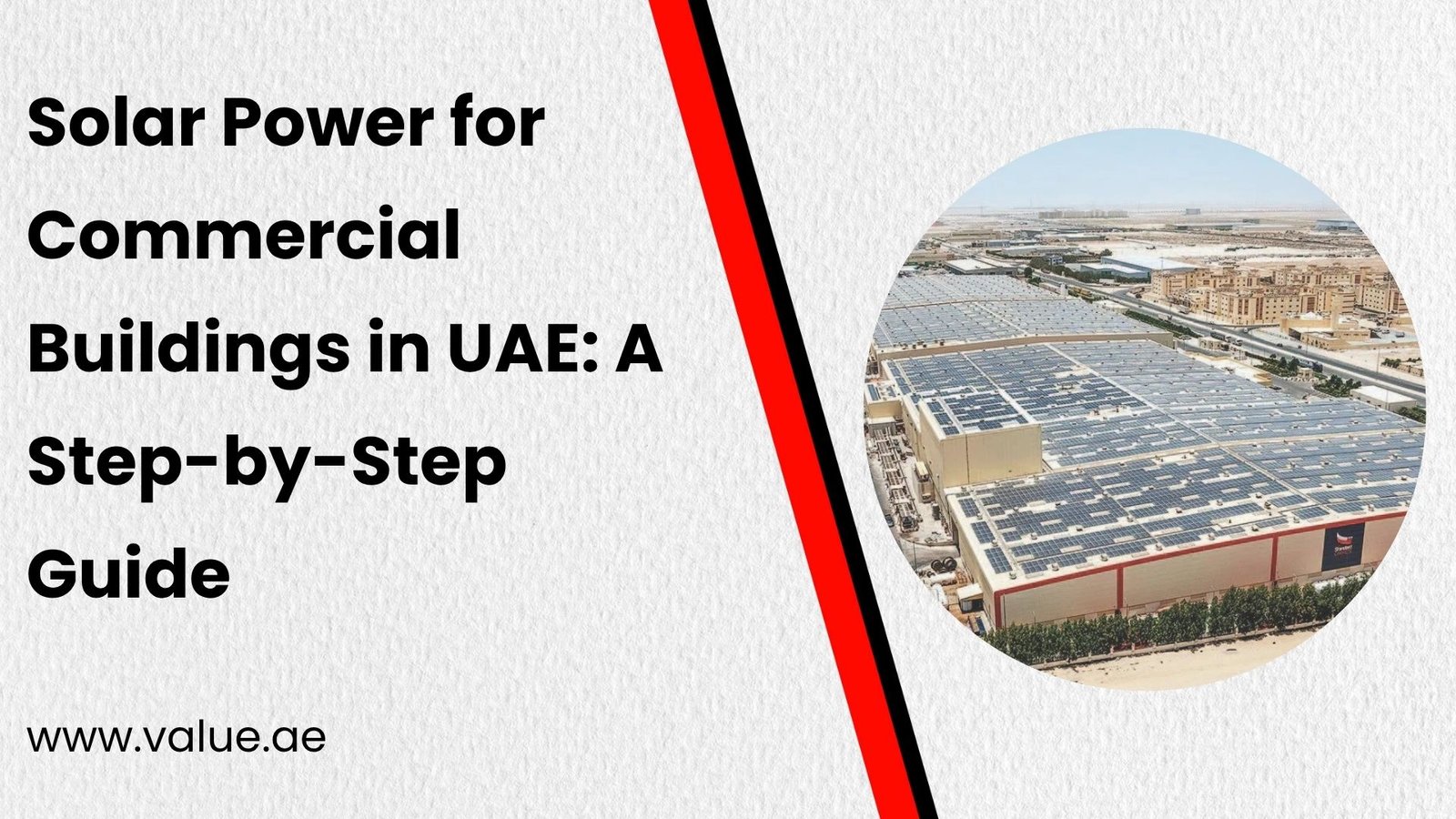
Factories, warehouses, shopping malls, and residential communities are installing solar systems to reduce operating costs and meet corporate sustainability commitments. Building codes and green-building regulations increasingly encourage or require on-site renewable generation, further lifting demand.
- Hybrid and storage-backed systems
As the share of intermittent solar rises, pairing photovoltaic plants with battery storage or other flexible resources becomes essential for grid stability. This creates additional market volume for solar modules, inverters, and balance-of-system components.
The combined effect is a steady, multi-year pipeline of projects rather than a short-lived boom. For any organisation involved in solar energy solutions in UAE, this pipeline represents durable demand for quality equipment, engineering expertise, and reliable after-sales support.
Broader Economic and Environmental Benefits
Beyond the numbers, the strategies deliver wider advantages. Local manufacturing and assembly of solar components are being encouraged, creating skilled jobs. Reduced reliance on imported fuels improves energy security. Lower carbon intensity strengthens the UAE’s position as a global logistics and tourism hub that can market itself as a low-emission destination. These co-benefits reinforce political and commercial commitment to the solar build-out.
The Role of Quality Supply Chains
Rapid expansion places a premium on dependable supply. Project developers need modules that perform well in high-temperature, high-dust environments, inverters that maintain efficiency under harsh conditions, and mounting structures designed for desert wind loads. Timely delivery, local technical support, and long-term warranties become decisive factors in project success.
In this context, companies that combine technical competence with responsive service stand out. Value Addition has earned recognition among clients for consistent project execution, attention to site-specific conditions, and a practical approach to delivering solar systems that meet both performance targets and budget realities. Their work illustrates how a focused solar PV supplier in UAE can support the country’s broader energy transition without overstating claims or relying on marketing slogans.
Looking Ahead: Challenges and Opportunities
While the policy direction is clear, practical hurdles remain. Grid integration of large volumes of solar power requires continued investment in transmission infrastructure and forecasting tools. Land-use planning must balance solar development with other needs. Workforce skills in installation, operation, and maintenance need to keep pace with project volumes. Addressing these issues will determine how smoothly the demand growth materialises.
At the same time, technological progress—higher-efficiency modules, bifacial panels, advanced tracking systems, and falling storage costs—continues to improve project economics. These advances make solar an increasingly competitive choice even without subsidies, reinforcing the long-term demand trajectory set by the 2050 strategies.
Frequently Asked Questions
1. What is the main difference between UAE Net Zero 2050 and the Energy Strategy 2050?
Net Zero 2050 is an economy-wide emissions target. The Energy Strategy 2050 focuses specifically on the power and energy sector, setting a 50 percent clean-energy share and efficiency improvements that support the broader net-zero goal.
2. How much solar capacity does the UAE need to meet its 2050 targets?
Exact figures evolve with demand forecasts, but multiple independent analyses indicate that solar must expand several times from current levels to form the backbone of the clean-energy mix.
3. Are rooftop solar systems supported by the same policies as utility-scale plants?
Yes. Both large-scale and distributed solar contribute to the clean-energy share. Building regulations, green certifications, and corporate sustainability goals further encourage rooftop and on-site installations.
4. Why is temperature and dust performance important for solar projects in the UAE?
High ambient temperatures and frequent dust storms can reduce output if modules and inverters are not designed for local conditions. Selecting equipment proven in desert environments helps protect long-term yield.
5. How can businesses prepare for rising solar demand under these strategies?
Businesses can start by assessing their own electricity consumption, exploring on-site solar potential, and engaging experienced partners early to secure equipment and installation capacity as project pipelines grow.
Conclusion
UAE Net Zero 2050 and the Energy Strategy 2050 have created a clear, long-term signal that solar power will play a central role in the country’s energy future. The resulting demand spans utility-scale parks, commercial rooftops, and hybrid systems. Success will depend on continued policy support, grid readiness, and a reliable supply of high-quality solar technology and services.
For organizations seeking practical solar energy solutions in UAE that align with these national priorities, partnering with a capable solar PV supplier in UAE remains a logical next step. Value Addition stands ready to discuss project requirements and help turn policy ambition into operational reality.
Read More: How UAE Net Zero 2050 and Energy Strategy 2050 Affect Solar Demand
Recent News