What Is a Solar Water Heating System and How Does It Work?
Introduction
Rising energy costs, sustainability targets, and the need for efficient hot-water generation are encouraging businesses across the UAE to adopt renewable energy technologies. A solar water heating system uses sunlight to heat water, reducing dependence on conventional electricity or fuel-based heating methods. For commercial and industrial facilities, selecting a reliable solar water heating system supplier UAE is an important step toward achieving energy efficiency and long-term operating savings.
With abundant sunshine throughout much of the year, the UAE offers favorable conditions for solar thermal applications. From hotels and hospitals to manufacturing facilities and residential developments, solar water heating can provide a practical solution for meeting regular hot-water requirements.
What Is a Solar Water Heating System?
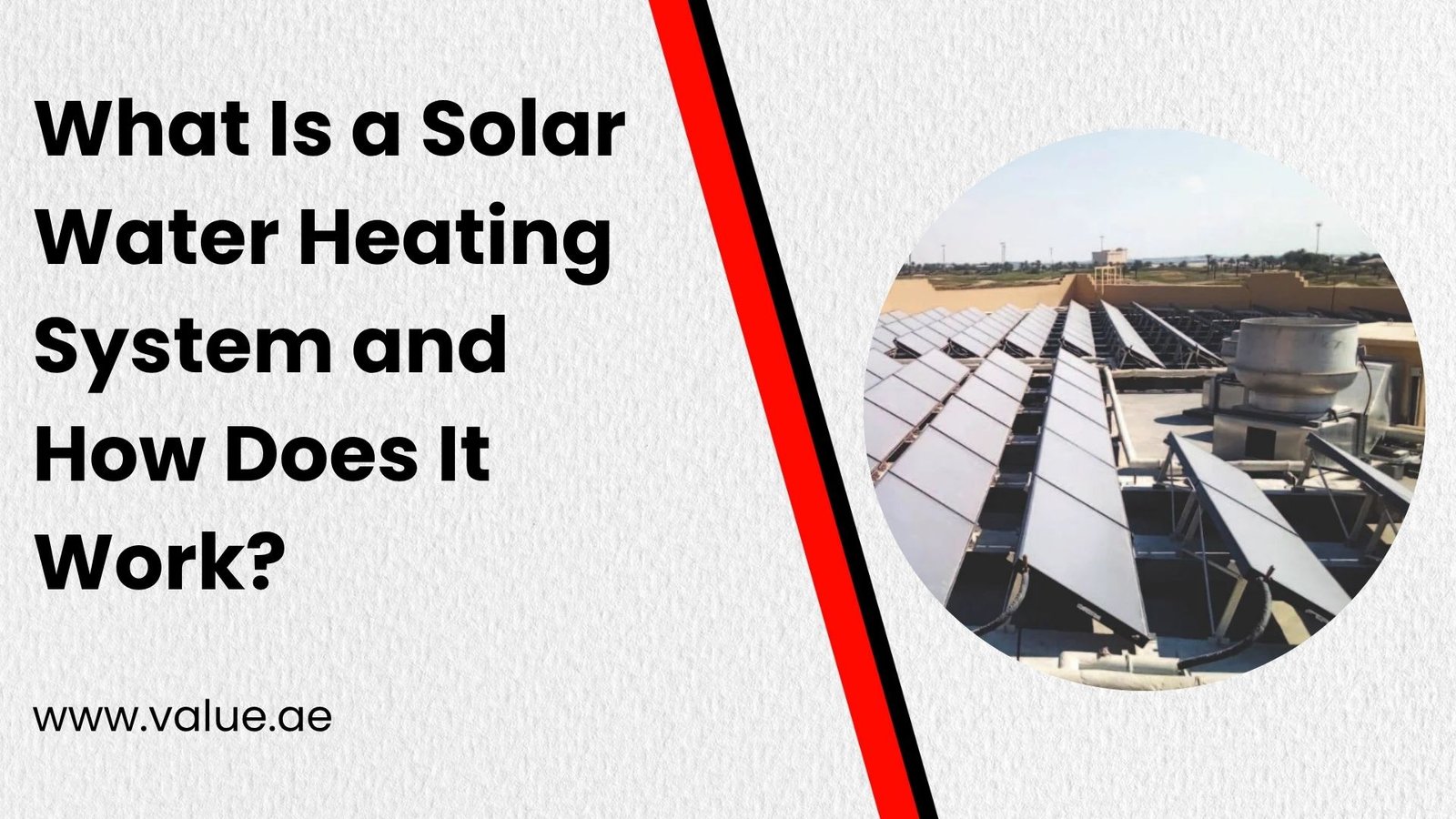
A solar water heating system is a thermal technology designed to capture solar radiation and convert it into usable heat for water. Unlike photovoltaic panels, which generate electricity, solar thermal collectors directly transfer solar energy to water or a heat-transfer fluid.
The system generally includes solar collectors, a storage tank, circulation equipment, pipes, valves, insulation, and temperature-control components. Depending on the application, an auxiliary heater may also be integrated to maintain water temperature during periods of low solar availability.
How Does It Work?
Solar collectors absorb sunlight and transfer the resulting thermal energy to water or a circulating heat-transfer medium. The heated water is then stored in an insulated tank for later use.
In larger installations, pumps and controllers regulate circulation according to temperature conditions. When solar energy is insufficient, a backup heating source can automatically supplement the system. This arrangement allows facilities to maintain a consistent hot-water supply while maximizing the contribution from solar energy.
Key Features of Solar Water Heating Systems
Modern solar thermal systems can be configured according to the building size, water demand, climate, and operating conditions. Important features include the following:
- High-efficiency solar thermal collectors
- Insulated hot-water storage tanks
- Automated temperature and circulation controls
- Heat-resistant and corrosion-resistant components
- Backup heating integration
- Modular designs for commercial and industrial projects
- Monitoring systems for operational performance
- Flexible installation configurations
A suitable solar water heating system in Dubai may also be designed to accommodate local environmental conditions, available roof space, water quality, and the facility's daily hot-water consumption.
Benefits of Solar Water Heating
Reduced Energy Consumption
Solar thermal technology uses freely available sunlight to produce heat. This can significantly reduce the amount of conventional energy required for water heating, particularly in facilities with high and consistent hot-water demand.
Lower Operating Costs
Although the initial investment depends on system capacity and installation requirements, reducing conventional energy consumption can improve long-term operating economics.
Reduced Environmental Impact
Using solar energy instead of relying entirely on fossil-fuel-based or grid-powered heating can help reduce greenhouse-gas emissions and support corporate sustainability objectives.
Reliable Hot-Water Supply
When properly sized and combined with storage and backup heating, solar water heating systems can provide dependable hot-water availability throughout the day.
Long-Term Energy Planning
For businesses managing rising energy costs, solar thermal systems can provide greater diversification of their energy sources and support long-term efficiency strategies.
Applications and Industries Served
Solar water heating can be used in a wide range of facilities where hot water is required regularly.
Hospitality
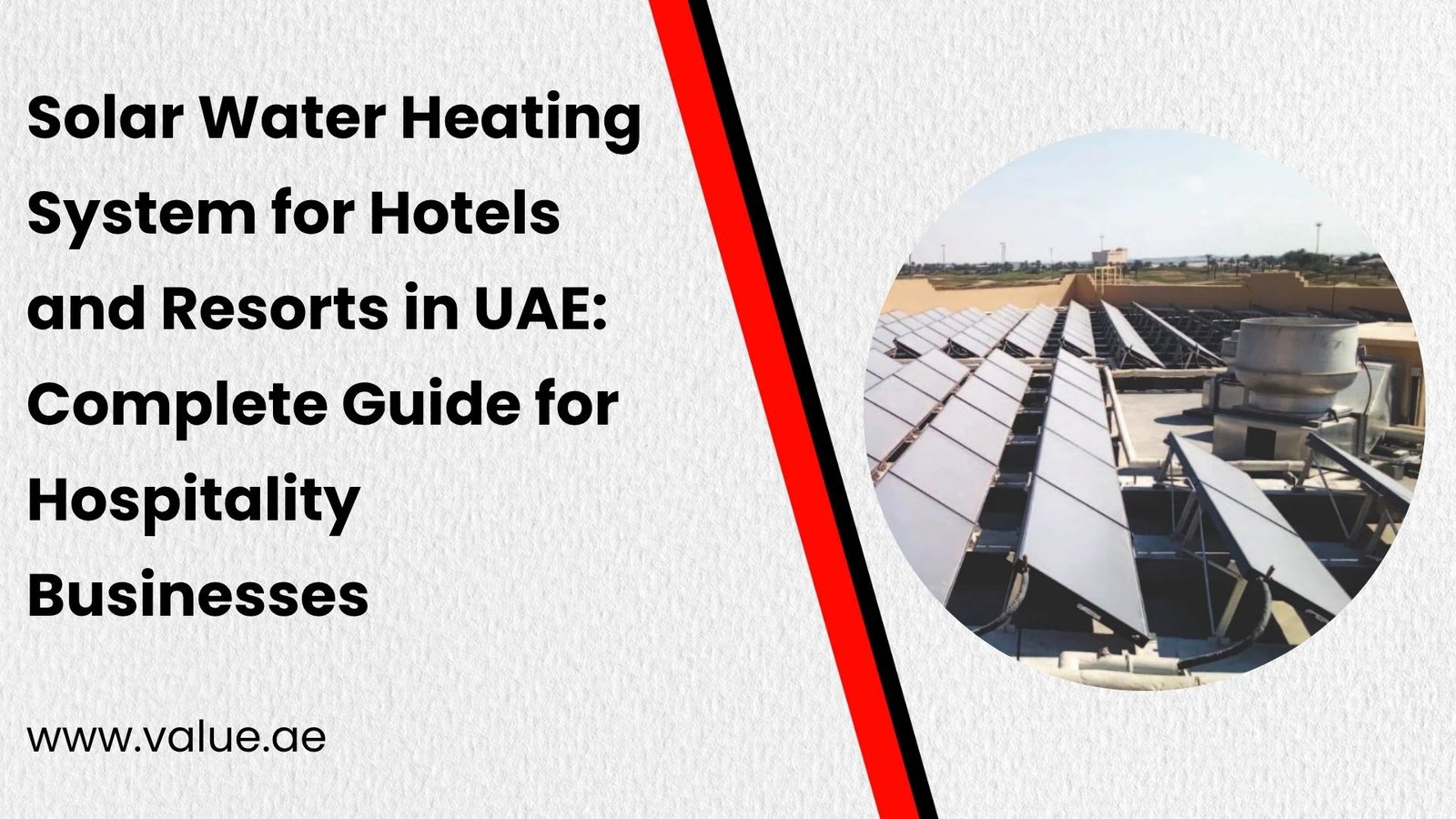
Hotels, resorts, and guesthouses can use solar thermal systems for guest bathrooms, kitchens, laundry operations, and other hot-water requirements.
Healthcare
Hospitals, clinics, and healthcare facilities require dependable hot-water supplies for sanitation, cleaning, and general operations.
Manufacturing
Industrial plants can use solar-heated water for cleaning, employee facilities, process-support applications, and other low- to medium-temperature requirements.
Commercial Buildings
Offices, educational institutions, shopping facilities, and residential developments can integrate solar thermal systems to reduce conventional water-heating demand.
Food Processing
Food and beverage facilities often require hot water for cleaning and sanitation. Solar thermal systems can supplement conventional heating infrastructure where operating conditions are suitable.
Why Is Solar Water Heating Important?
Water heating can represent a substantial portion of energy consumption in buildings and industrial facilities with continuous hot-water requirements. Solar thermal technology provides an opportunity to reduce this demand by using an available renewable resource.
For businesses in the UAE, the technology also aligns with broader efforts toward energy efficiency and sustainable infrastructure. Working with an experienced solar water heating system supplier UAE can help organizations assess their requirements, select appropriate equipment, and design a system that integrates effectively with existing infrastructure.
Factors to Consider Before Choosing a Supplier
System Capacity
Determine daily hot-water consumption, peak demand, operating hours, and required storage capacity before selecting equipment.
Collector Efficiency
Compare collector performance, construction quality, operating temperature range, and expected durability.
Site Conditions
Roof orientation, available installation area, shading, structural capacity, and local environmental conditions can influence system performance.
Water Quality
Water chemistry can affect heat exchangers, pipes, collectors, and storage tanks. Appropriate materials and protection measures should therefore be considered.
Backup Heating
A backup heater may be necessary for periods when solar energy is insufficient. Ensure that the proposed system can integrate effectively with the existing heating infrastructure.
Installation and Maintenance Support
Choose a supplier capable of providing system design, installation guidance, commissioning, maintenance, and technical support throughout the equipment lifecycle.
Value Addition has made a name for itself as a dependable solar water heating system supplier UAE, providing useful and energy-efficient solar solutions for a range of commercial, industrial, and residential needs. To help clients maximize hot-water generation while reducing traditional energy use, the company, a reputable solar water heating system supplier UAE, focuses on high-quality products, effective system design, and reliable technical support. Value Addition's professional approach, solution-focused services, and dedication to sustainable energy technology make it a viable option for businesses searching for an experienced solar water heating system supplier UAE.
Looking for a dependable solar water heating system supplier UAE for your residential, commercial, or industrial project? Connect with Value Addition to explore efficient solar water heating solutions designed around your hot-water requirements. With professional guidance and reliable system solutions, Value Addition can help you move toward greater energy efficiency and sustainable water heating. Contact Value Addition today and discuss your requirements with a trusted solar water heating system supplier UAE.
Latest Industry Trends
The solar thermal sector is increasingly moving toward smarter and more efficient system designs. Digital monitoring is becoming more common, allowing operators to track temperatures, energy production, circulation, and system performance.
High-efficiency collectors, improved insulation materials, intelligent controllers, and hybrid heating configurations are also gaining attention. Commercial and industrial projects are increasingly considering integrated renewable-energy solutions that combine solar thermal technology with other energy-efficiency measures.
Another emerging trend is the use of scalable modular systems. These allow businesses to expand hot-water capacity as operational requirements increase without completely redesigning the installation.
Conclusion
Solar water heating systems provide an effective way for UAE businesses and institutions to use solar energy for hot-water production. Their potential to reduce conventional energy consumption, lower operating costs, and support sustainability objectives makes them relevant for hospitality, healthcare, manufacturing, commercial, and residential applications.
Before investing, organizations should evaluate system capacity, collector efficiency, site conditions, water quality, backup heating, maintenance requirements, and supplier expertise. Selecting a technically capable solar water heating system supplier UAE can help ensure that the solution is properly designed for the facility's specific operating requirements. In Dubai and other parts of the UAE, a well-engineered solar thermal installation can become a valuable component of a broader energy-efficiency strategy.
FAQs
1. What is a solar water heating system?
A solar water heating system uses solar collectors to capture sunlight and transfer its thermal energy to water, which is then stored and used for domestic, commercial, or industrial hot-water requirements.
2. Is solar water heating suitable for industrial facilities?
Yes. Solar water heating can be suitable for industries with regular hot-water demand, including manufacturing, food processing, hospitality, healthcare, and institutional facilities. System sizing should be based on actual consumption and operating conditions.
3. What is the difference between solar water heating and solar PV?
Solar water heating systems convert sunlight directly into thermal energy for heating water. Solar photovoltaic systems convert sunlight into electricity. The two technologies can also be used together in suitable projects.
4. Can solar water heating systems work during cloudy weather?
They can continue operating when some solar radiation is available, although thermal output may decrease. Storage tanks and auxiliary heating systems can help maintain hot-water availability when solar energy is insufficient.
5. How do I select a solar water heating system supplier UAE?
Consider the supplier's technical expertise, system design capabilities, equipment quality, installation support, maintenance services, warranty terms, and experience with projects similar to your facility.
Read More: What Is a Solar Water Heating System and How Does It Work?
Recent News