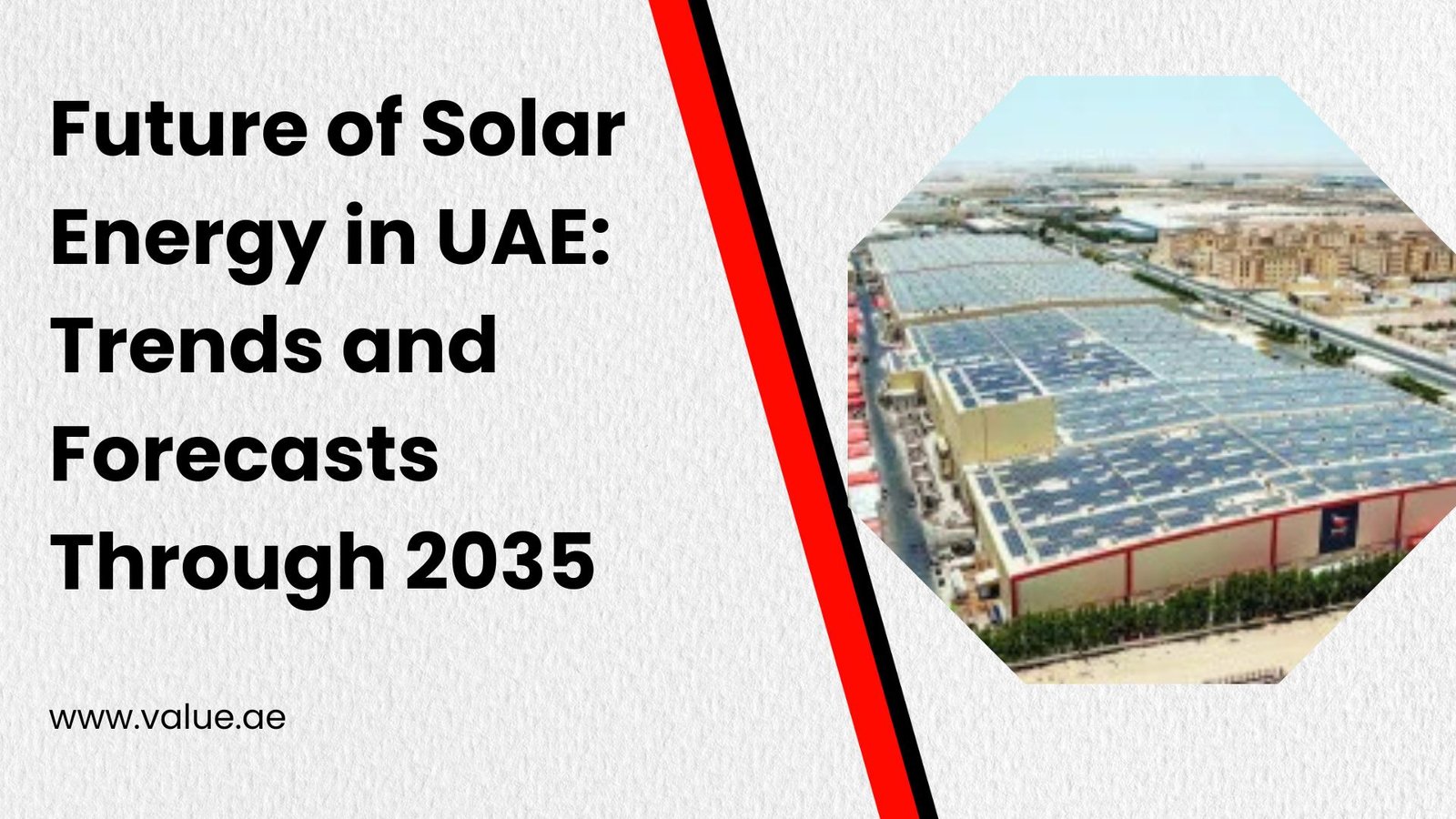
Future of Solar Energy in UAE: Trends and Forecasts Through 2035
Introduction
The United Arab Emirates has emerged as one of the leading nations in renewable energy adoption across the Middle East. With ambitious sustainability goals, increasing electricity demand, and a strong commitment to reducing carbon emissions, the country is rapidly expanding its renewable energy infrastructure. A solar power system in UAE is now considered a strategic investment for businesses, industries, and commercial establishments seeking long-term energy efficiency and cost savings.
The UAE benefits from abundant sunshine year-round, making solar energy one of the most viable renewable energy sources in the region. Government initiatives, technological advancements, and declining solar equipment costs have accelerated the adoption of solar solutions across various sectors. As the nation progresses toward its clean energy targets, the future of the solar power system in UAE looks increasingly promising through 2035 and beyond.
Overview of Solar Power Systems
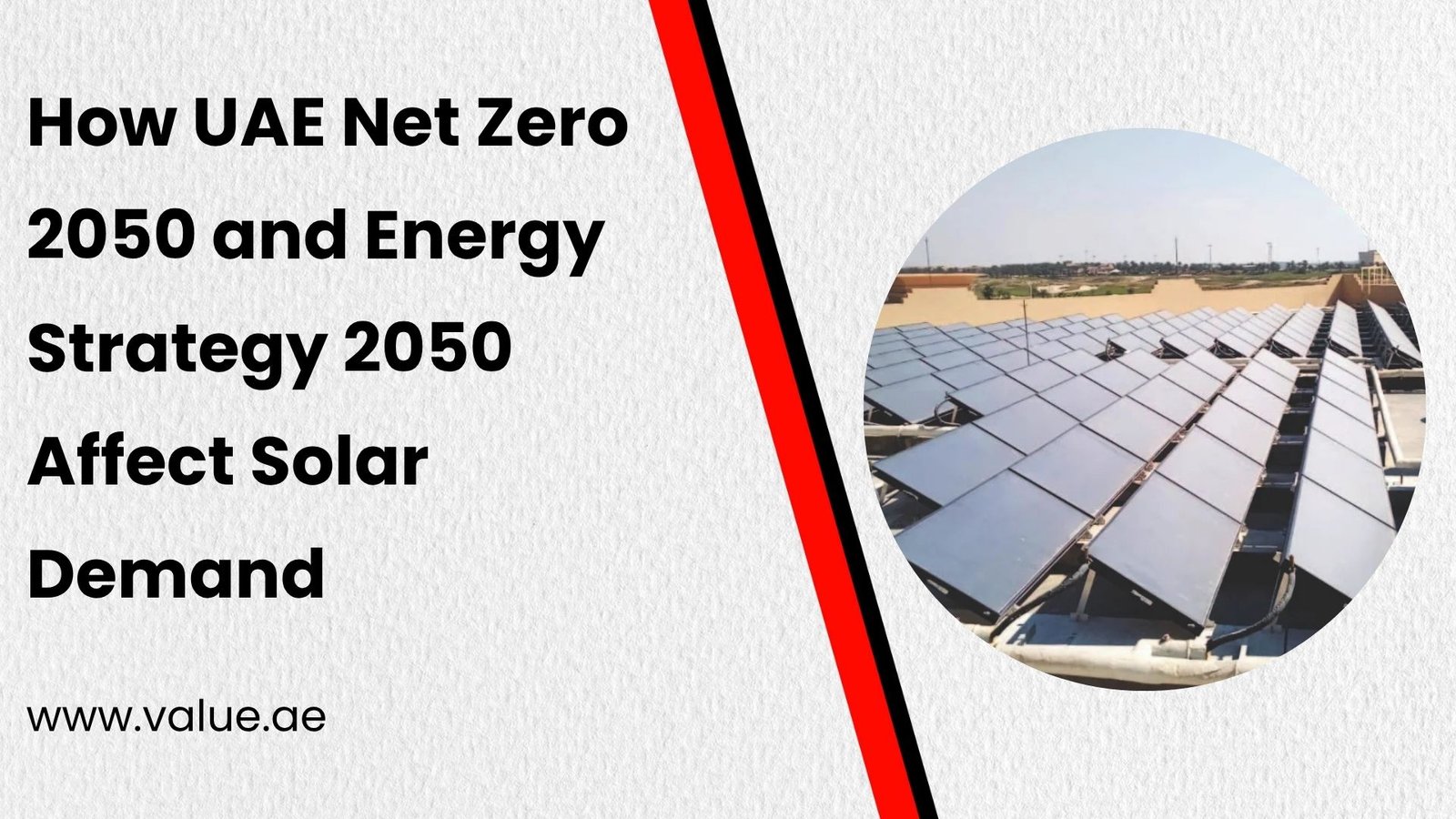
A solar power system in UAE converts sunlight into electricity using photovoltaic (PV) panels and associated electrical components. These systems can be installed on rooftops, industrial facilities, commercial buildings, warehouses, and large-scale solar farms.
A typical solar power system consists of:
- Solar photovoltaic panels
- Solar inverters
- Mounting structures
- Electrical wiring and protection devices
- Monitoring systems
- Energy storage solutions (optional)
A modern solar system in Dubai is designed to maximize energy production while ensuring reliable and efficient operation under local climatic conditions. Businesses increasingly use solar installations to offset grid electricity consumption and improve sustainability performance.
Key Features of a Solar Power System in UAE
High Energy Conversion Efficiency
Modern solar panels are engineered to convert sunlight into electricity with improved efficiency, allowing businesses to generate more power from limited roof or land space.
Smart Monitoring Capabilities
Advanced monitoring platforms enable users to track energy generation, system performance, and operational efficiency in real time.
Scalability
A solar power system in UAE can be customized to meet varying energy requirements, from small commercial installations to large industrial projects.
Low Maintenance Requirements
Solar systems generally require minimal maintenance, making them suitable for long-term energy generation with predictable operating costs.
Grid Integration
Most systems are designed to work seamlessly with existing electrical infrastructure and utility networks.
Durability in Harsh Environments
Modern solar equipment is engineered to withstand high temperatures, dust, and challenging environmental conditions commonly experienced in the UAE.
Benefits of Solar Power Systems
Reduced Energy Costs
One of the primary advantages of a solar power system in UAE is the reduction in electricity expenses. Businesses can generate a significant portion of their energy requirements on-site.
Environmental Sustainability
Solar energy is a clean and renewable source of power that helps reduce greenhouse gas emissions and environmental impact.
Energy Independence
Organizations can reduce their dependence on conventional energy sources and protect themselves from future electricity price fluctuations.
Long-Term Financial Returns
Although the initial investment may be substantial, solar systems often provide long-term savings through reduced energy consumption.
Improved Corporate Sustainability Goals
Many organizations are adopting renewable energy solutions to support environmental, social, and governance (ESG) initiatives.
Enhanced Property Value
Buildings equipped with renewable energy systems often attract greater interest from investors, tenants, and stakeholders.
Applications and Industries Served
Manufacturing Facilities
Industrial plants utilize a solar power system in UAE to reduce operational costs and improve energy efficiency.
Commercial Buildings
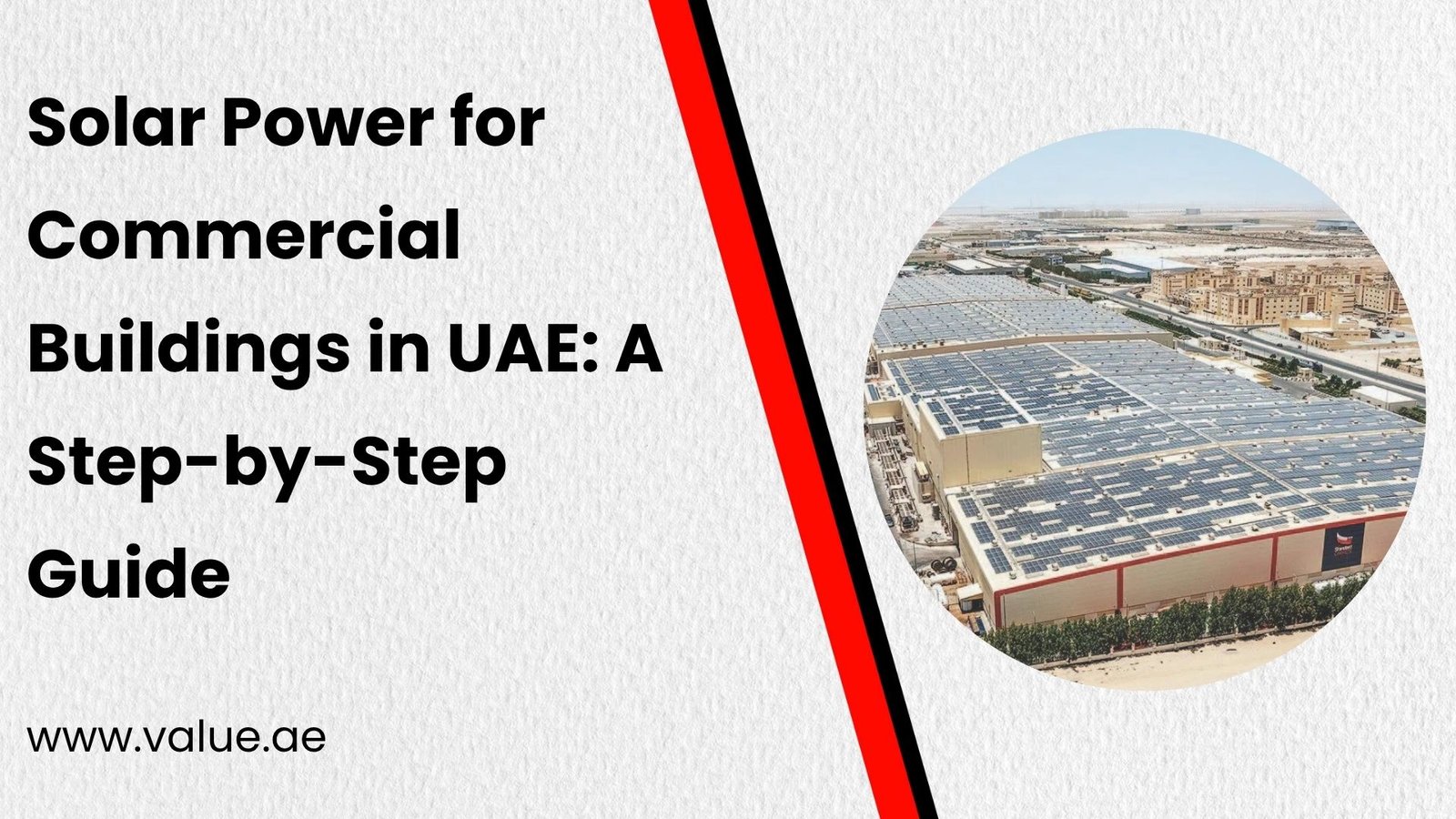
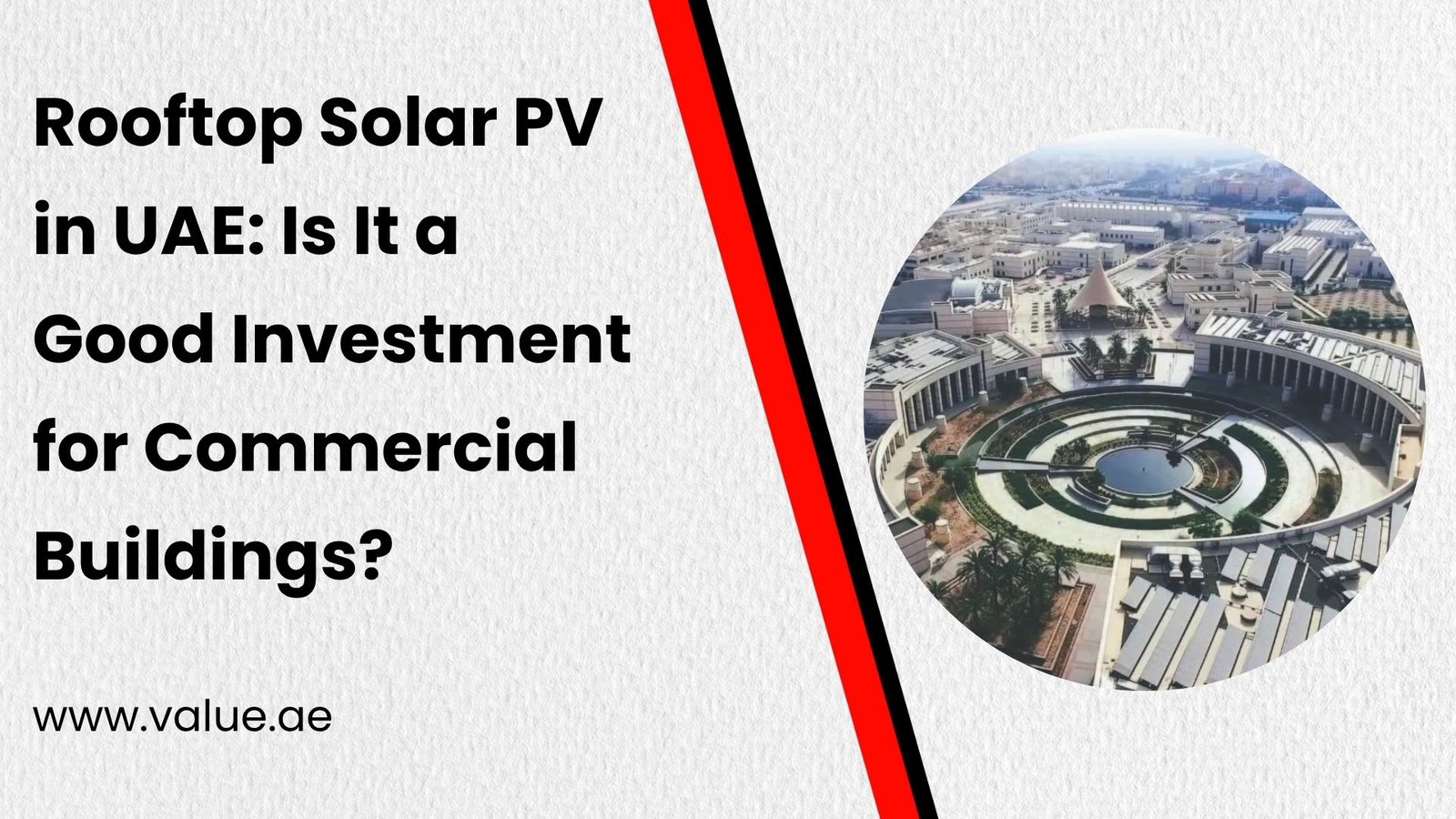
Office complexes, shopping centers, and business parks increasingly integrate solar technology into their energy strategies.
Hospitality Sector
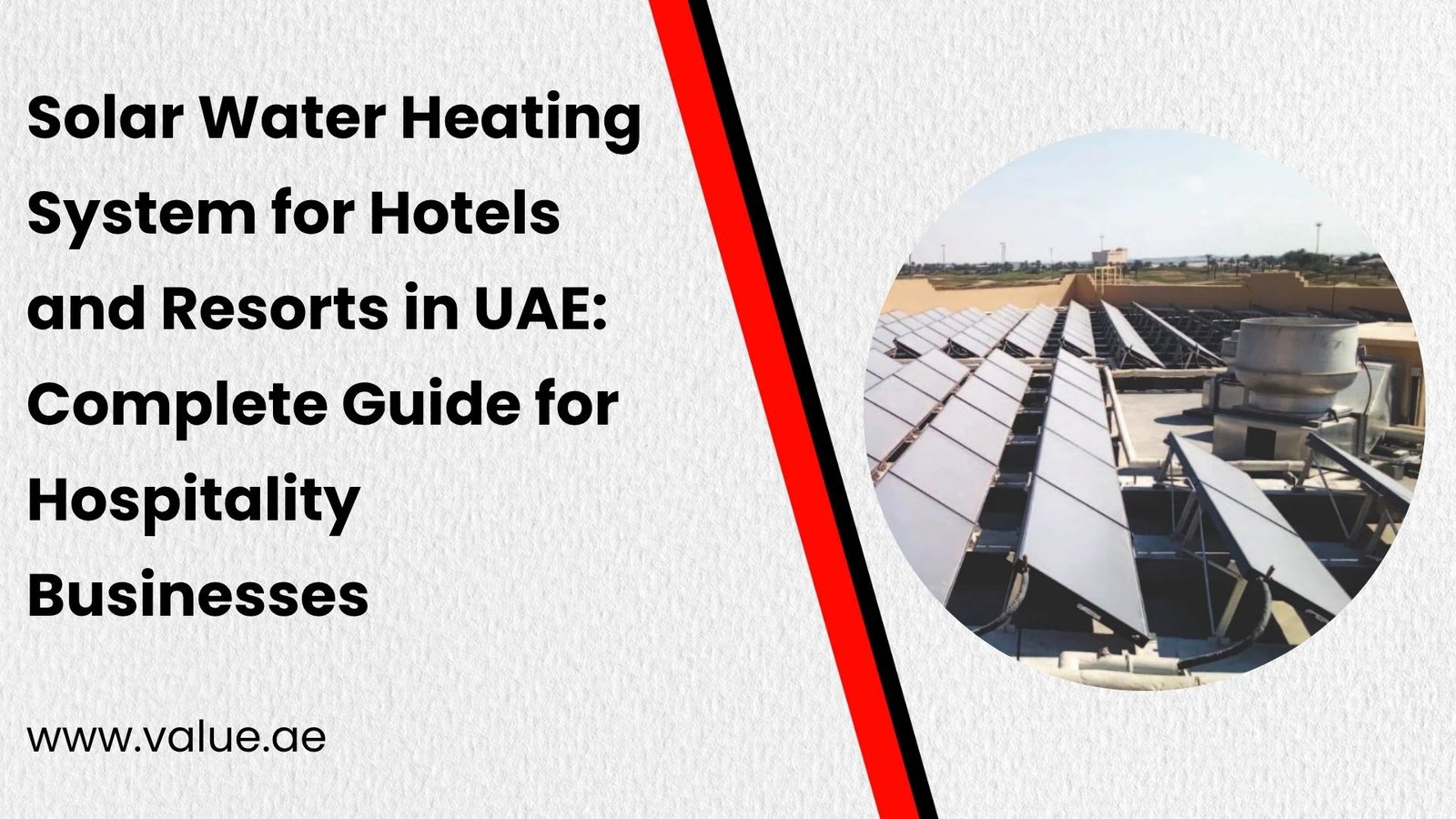
Hotels and resorts benefit from solar energy to support lighting, air conditioning, water heating, and other energy-intensive operations.
Logistics and Warehousing
Large warehouse rooftops provide ideal spaces for solar panel installations.
Educational Institutions
Schools, colleges, and universities use solar energy to reduce electricity consumption while promoting sustainability.
Healthcare Facilities
Hospitals and medical centers can leverage solar energy for reliable and cost-effective power generation.
Solar System in Dubai for Commercial Projects
A solar system in Dubai is widely adopted across commercial developments seeking compliance with sustainability regulations and green building standards.
Why Solar Power Systems Are Important
Supporting National Energy Goals
The UAE continues to invest heavily in renewable energy as part of its long-term sustainability strategy.
Reducing Carbon Emissions
A solar power system in UAE contributes to lowering carbon emissions and supporting global climate objectives.
Addressing Growing Energy Demand
Rapid urbanization and industrial growth have increased energy requirements across the country. Solar power helps meet these demands sustainably.
Enhancing Energy Security
Diversifying energy sources improves resilience and reduces dependence on traditional fossil fuels.
Promoting Sustainable Development
Renewable energy supports economic growth while minimizing environmental impact.
Factors to Consider Before Choosing a Solar Power System
Energy Consumption Requirements
Businesses should evaluate current and future electricity demand before selecting system capacity.
Available Installation Space
Roof size, structural conditions, and land availability play important roles in system design.
Solar Panel Quality
High-quality modules typically offer better efficiency, durability, and long-term performance.
Inverter Selection
The inverter is a critical component that directly affects system efficiency and reliability.
Climate Considerations
Equipment should be designed to withstand high temperatures, humidity, and dust conditions.
Maintenance Support
Access to maintenance services helps ensure consistent system performance throughout its lifespan.
Regulatory Compliance
A solar power system in UAE should comply with local regulations, utility requirements, and safety standards.
Return on Investment
Procurement teams should analyze payback periods, lifecycle costs, and expected energy savings before making investment decisions.
Value Addition is well known for providing creative and sustainable energy solutions that are suited to contemporary company requirements. Their proficiency in putting in place solar power system in UAE aids businesses and industries in lowering energy expenses, increasing operational effectiveness, and advancing environmental sustainability objectives. Value Addition offers dependable solar energy systems made to function well in the harsh temperature conditions of the United Arab Emirates with a strong emphasis on quality, technological excellence, and customer-centric solutions. They are a reliable partner for companies looking for renewable energy solutions because of their dedication to cutting-edge technology and long-term value.
For more info, get in touch with us today!
Latest Industry Trends in Solar Energy
Growth of Utility-Scale Solar Projects
Large solar parks continue to expand across the UAE, contributing significantly to renewable energy generation capacity.
Integration of Battery Energy Storage
Energy storage technologies are becoming increasingly important for improving grid stability and maximizing solar utilization.
Artificial Intelligence and Predictive Maintenance
AI-powered monitoring systems help identify performance issues and optimize energy production.
Bifacial Solar Panels
Bifacial technology captures sunlight from both sides of the panel, increasing overall energy generation.
Floating Solar Installations
Floating solar systems are emerging as innovative solutions for water reservoirs and industrial facilities.
Smart Grid Integration
A solar power system in UAE is increasingly being connected with intelligent grid infrastructure for enhanced efficiency and energy management.
Increased Adoption of Solar System in Dubai
The growing popularity of a solar system in Dubai reflects the region’s commitment to sustainable urban development and clean energy initiatives.
Future Forecasts Through 2035
The outlook for solar energy in the UAE remains highly positive. Industry experts anticipate continued growth in solar installations due to declining technology costs, favorable government policies, and increased awareness of sustainability.
By 2035, a solar power system in UAE is expected to become a standard feature across industrial facilities, commercial buildings, logistics centers, and large residential developments. Enhanced storage solutions, digital monitoring technologies, and improved solar panel efficiencies will further strengthen the business case for renewable energy adoption.
As innovation continues, organizations investing in solar technology today will be well-positioned to benefit from future advancements and evolving energy markets.
Conclusion
The transition toward renewable energy is transforming the UAE's energy landscape. A solar power system in UAE offers a practical and sustainable solution for businesses seeking reduced energy costs, environmental responsibility, and long-term operational efficiency. With ongoing technological developments, supportive regulations, and increasing industry adoption, solar energy is expected to play a central role in the nation's future energy mix.
Similarly, the continued growth of the solar system in Dubai market demonstrates the region's commitment to sustainable development and clean energy innovation. As organizations prepare for the future, solar energy remains one of the most reliable and strategic investments available.
FAQs
1. What is a solar power system in UAE?
A solar power system in UAE is a renewable energy solution that converts sunlight into electricity using photovoltaic panels and related equipment.
2. How much maintenance does a solar power system require?
Solar systems generally require periodic cleaning, inspections, and routine performance monitoring to ensure optimal efficiency.
3. Is a solar system in Dubai suitable for commercial buildings?
Yes. A solar system in Dubai is widely used in commercial properties, warehouses, offices, and industrial facilities to reduce electricity costs.
4. What factors influence solar system performance?
Panel quality, installation design, inverter efficiency, weather conditions, and maintenance practices all affect overall system performance.
5. What is the future outlook for solar energy in the UAE?
Solar energy is expected to experience substantial growth through 2035 due to technological advancements, supportive government initiatives, and increasing demand for sustainable energy solutions.
Read More: Future of Solar Energy in UAE: Trends and Forecasts Through 2035
Recent News